SANT'AGATA
Mystical fervor and a folk festival
KING ART ROOM
39 mq.
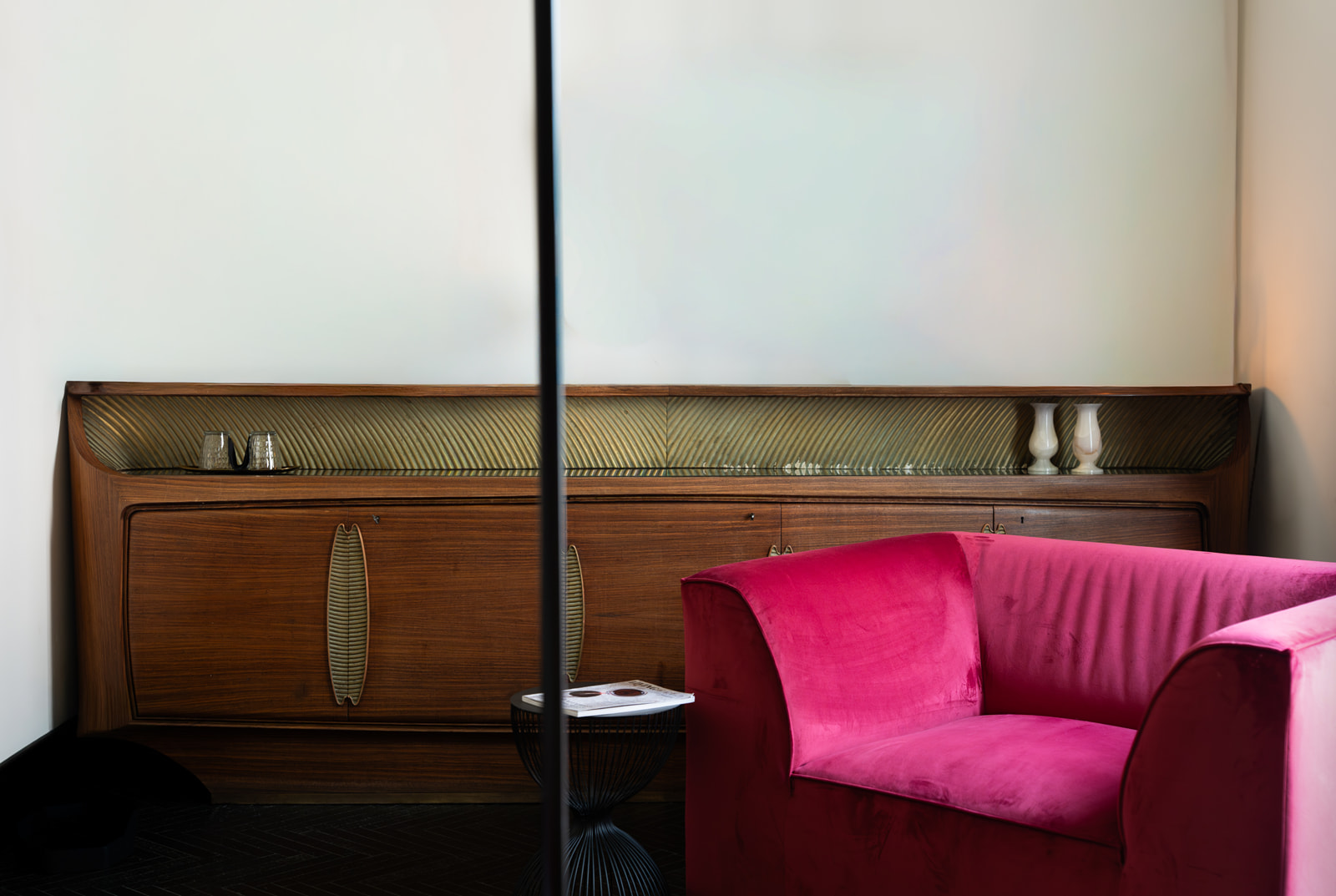
Art Room featuring a private balcony overlooking Via Dottore.
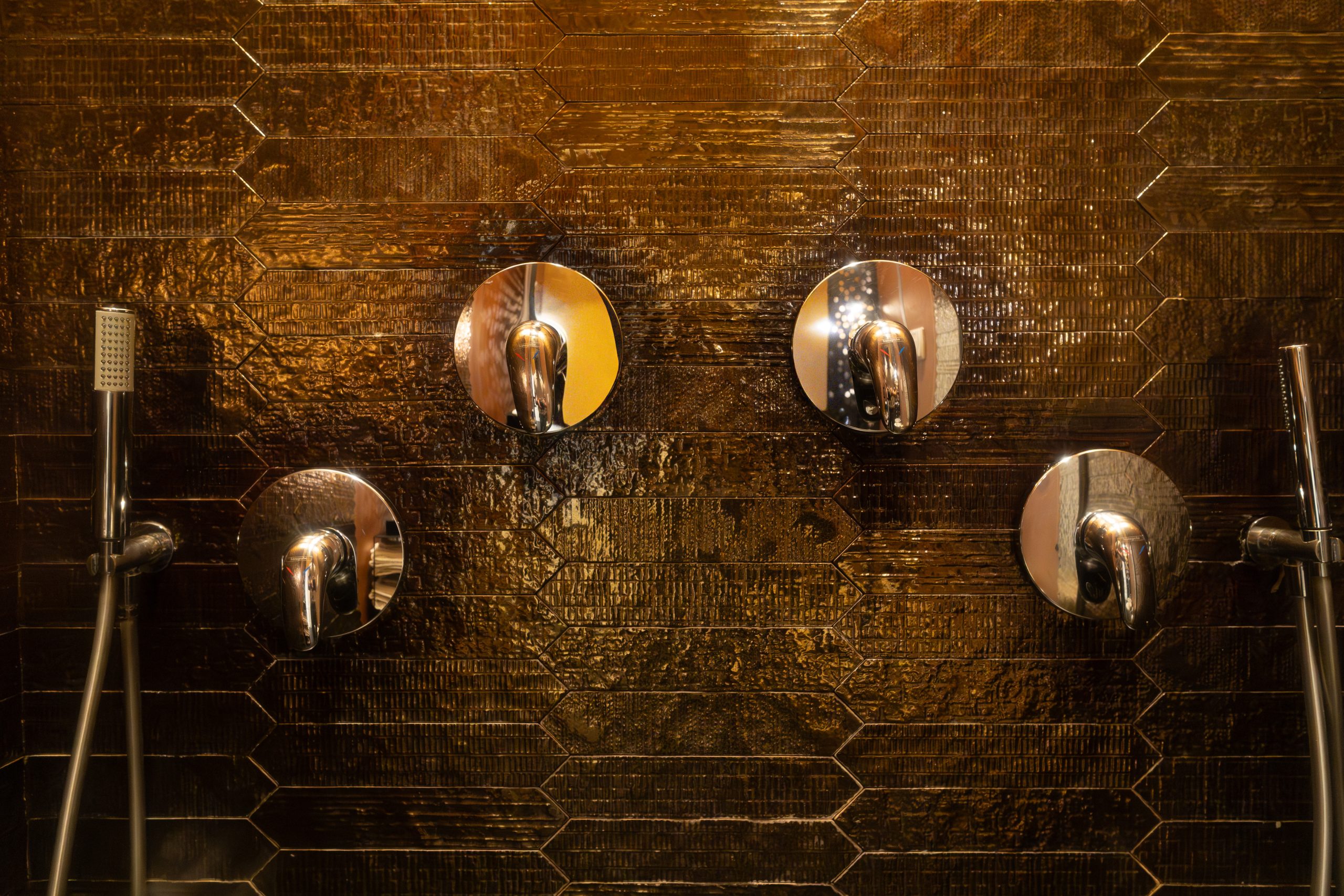
Our Art Room features a king-size shower with a rain showerhead, chromotherapy, a luxury Ortigia wellness set, a professional hair dryer, hypoallergenic duvets and pillows, free Open Fiber Wi-Fi, USB ports in every room, a smart TV, and air conditioning.
- Coffe Cockpit Nespresso
- LCS - Lights Coordination System by App
- Luxury scent menù
- MiniBar with Organic Products
- Safety box
- Smart TV- SKY TV
The patron saint of the city was born into a noble and wealthy family in the early 3rd century in Catania. At the age of 15, she consecrated herself to God and became a deaconess; according to official tradition, during the consecration—known as the “velatio”—a red veil was placed upon her as a symbol of her faith.
At that time, Emperor Septimius Severus intensified the persecutions against Christians even further.
In Catania, the proconsul Quinziano, a proud and wicked man, took a particular hatred toward Christianity, partly for economic reasons, as he seized their wealth and property.
Tradition holds that he fell in love with the young girl, attempting to seduce her and make her renounce her faith and yield to his desires. He tried every means but to no avail; therefore, he had her imprisoned and subjected her to torture. First she was flogged, then martyred by having her breasts cut off, and finally thrown onto burning coals; but while she was in the furnace, a powerful earthquake shook Catania, and the crowd rose up, forcing the proconsul to remove Saint Agatha from the furnace—by then in her death throes—and return her to her cell, where she died a few hours later.
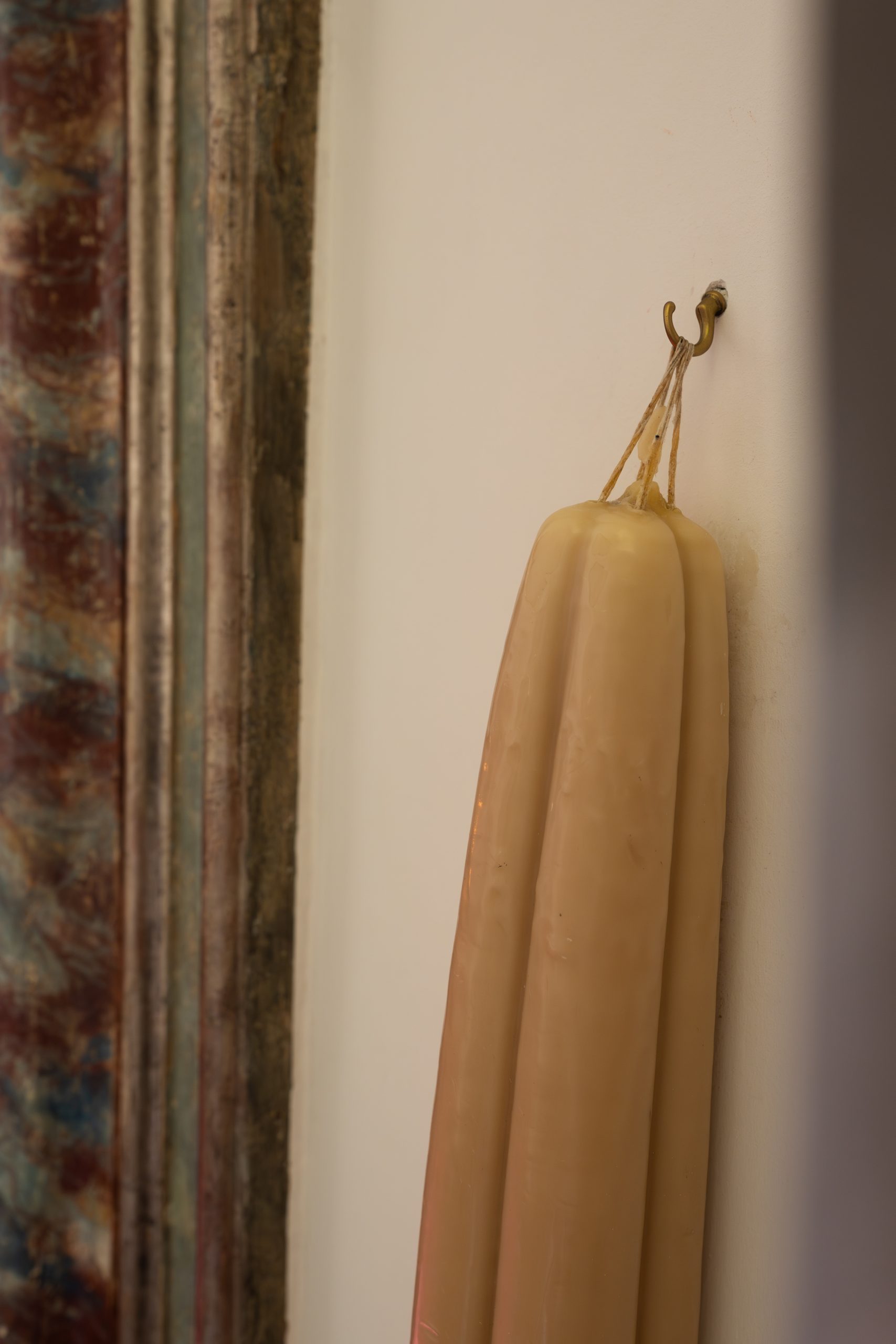
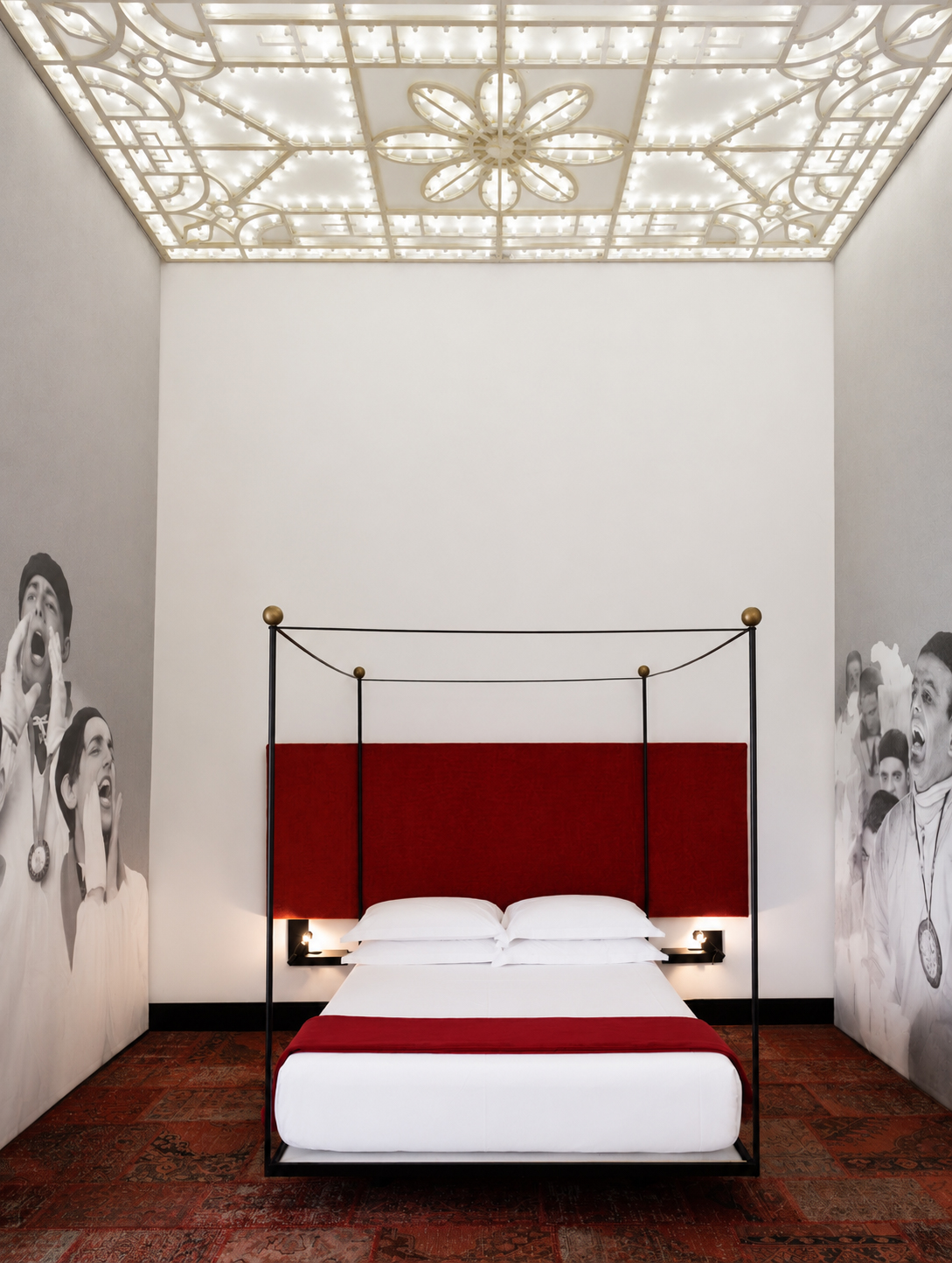
Mysteriously, her veil remains intact and is immediately enshrined among the most important relics; and it is precisely to honor this tradition that the headboard and the carpet upon which the fercolo rests are bright red, evoking both the living flame and the shed—yet unquenched—blood of the Saint. The bed takes on the characteristics of the “fercolo,” reflecting its colors and translucence. The fercolo moves evocatively forward with traditional cords, between two fabric sails representing the procession.
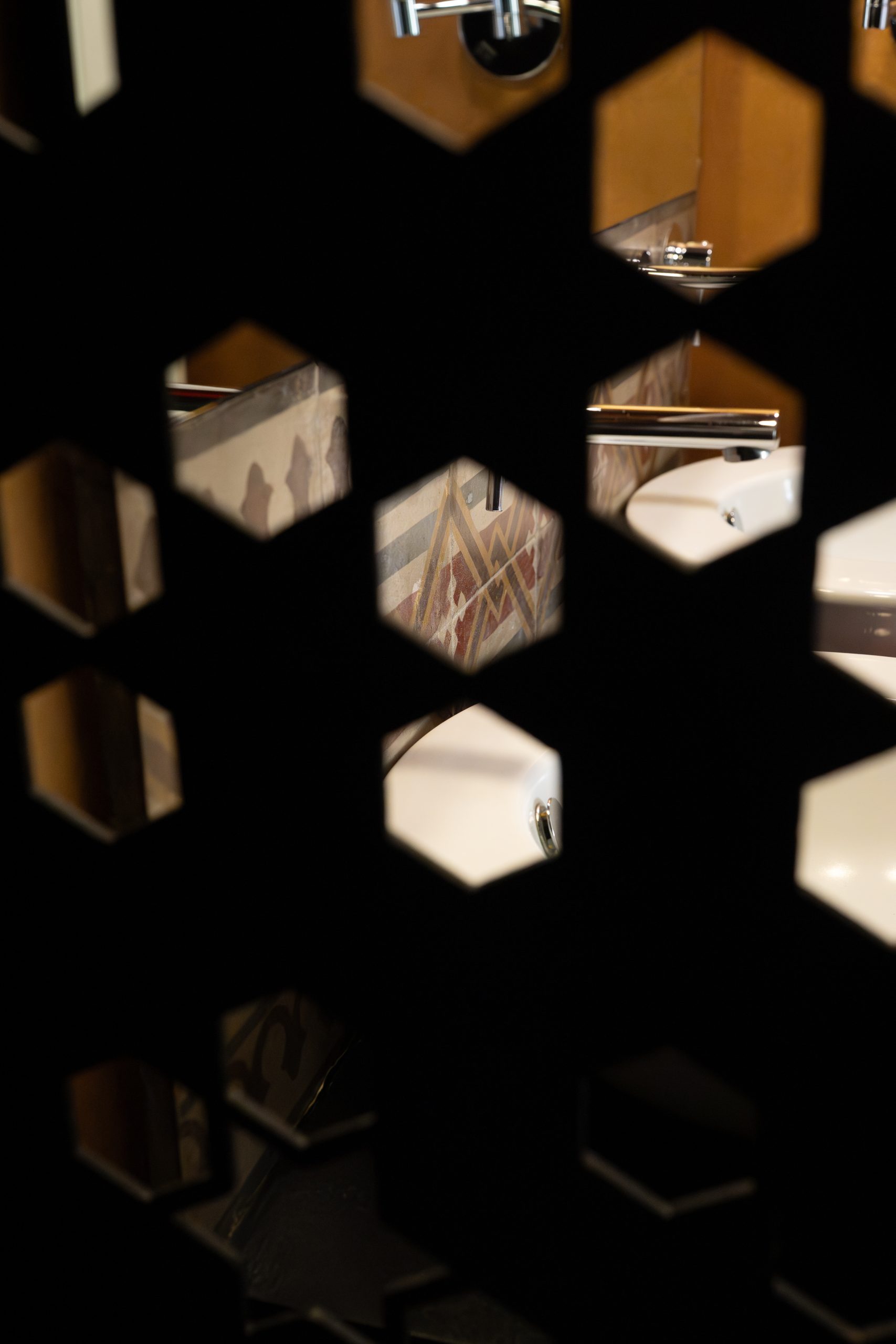
We relive the religious mysticism of the “santuzza” in the reinterpretation of her cell with a single iron block at the entrance, in her votive altar representing her breasts, in the golden splendor of the space, and in the descent through chromatic transitions.